Aslında veterineri biz aramıştık, yeni bir randevu almak için… Bıcır yemek yemiyor, su içmiyor, tuvaletini yapamıyor. Günden güne gözümüzün önünde eriyor. Günlerini uyuyarak geçiriyor. Arada bir uyanıp mutfağa gidiyor, en sevdiği yemek kabının yanına uzanıyor. Uzun uzun bakıyor, ama içindekilere dokunmuyor.
Bıcır’ı tanıyan bilir: Cinsine göre iri yapılı, yemeyi çok seven bir kedidir. Kabına konan yemeği anında silip süpürürdü. Cüssesi, yürüyüşü, tavırlarıyla kendini kedi değil de minyatür bir kaplan sanırdı. Yanına yaklaşmaya cesaret eden çoğu kişi pençelerinden payını almıştır. Bir zamanlar görüntüsüyle korku salan o güçlü kediden geriye şimdi sadece halsiz, zorla yürüyebilen, yemeğini bile yiyemeyen bir gölge kaldı. Son bir haftadır bütün alışkanlıklarını yitirmeye başladı. Onunla 11 yılı devirdik; ama sanki yolun sonuna yaklaşıyoruz.
Bugün en sevdiği ödül çubuklarından birini verdim. Normalde hepsini birden kapmak için parmaklarıma saldırırdı, bazen çubuğu elimden almakla kalmaz, parmaklarımı da çubuğun devamı sanırdı. Ama bu kez yalnızca kokladı ve koltuğa doğru yürüyüp uyumaya geçti. Şimdi karşımda uyuyor, ben de bu satırları yazıyorum. Fotoğraflarına bakarken 11 yıl öncesine gidiyorum. Güneşli bir California sabahına…
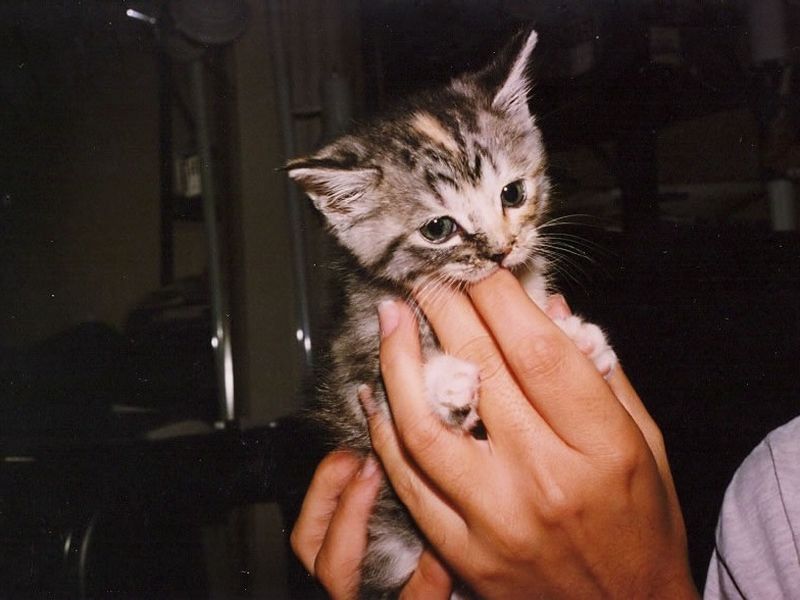
Onu ilk gördüğümüzde henüz gözlerini yeni açabiliyordu. Long Beach’te, marinanın yanındaki kayalıklarda, miyavlaya miyavlaya sesini duyurdu bize. Kayaların arasından baktığımızda minicik bedeniyle tek başına kalmıştı. Nasıl oraya düştü bilmiyorduk, ama denize yuvarlanması an meselesiydi. Annesi yoktu, kardeşi yoktu. O sabah avucumuza aldığımızda hayatımızın 11 yılını şekillendirecek bir bağın başladığını bilmiyorduk. Eve getirdiğimizde miyavlaması kesildi. Önüne koyduğumuz sütü bitirdi. İlk alışverişimizi onun için yaptık: mama, kaplar, oyuncaklar… Daha odayı keşfe çıkarken gözlerini bize çevirdi. Long Beach’te başlayan bu hikâyeden sonra bir daha hiç ayrılmadık.
Çok hareketliydi. Avcı içgüdüsünü hiç kaybetmedi. Veterinere ilk gittiğimizde bile vahşi tavrı şaşırtmıştı. Henüz 6 aylıkken iki görevli onu zapt etmek zorunda kalmış, aşısı ancak öyle yapılmıştı. Bu huyu hiç değişmedi. Ne zaman veterinere gitse sakinleştirilmesi için ekstra uğraş gerekirdi. Pitbull’lar, kurt köpekleri arasında bile en tehlikeli hasta olarak görülüyordu.
Adını söylediğimizde veteriner gülmüştü: “Bıcır.” Sevimli bir çağrışımı vardı ama aslında soyunun çöl kedilerine dayandığını orada öğrendik.
Henüz üç aylıkken Mojave Çölü’nden Arizona’nın ortalarına, Grand Canyon’a kadar uzanan ilk yolculuğumuzu birlikte yaptık. Arabada usluydu, seyahati sevdi. Yıllar sonra birlikte başka yolculuklara çıkacağımızı elbette bilmiyorduk.
Long Beach’te sekiz yıl yaşadık. Üç farklı ev değiştirdik. Başka kedilerle hiç anlaşmadı. İnsanlara da mesafeliydi; bizden başka kimse ona dokunamıyordu. Dışarıda olmaktan hoşlanmıyordu. Kayalıklara, parklara götürmeye çalıştığımızda kucağımızdan inmedi. Bir daha sokağa çıkmadı, evin her köşesini kendine ait bildi. En sevdiği yerlerden biri ocak üstüydü; yemek pişirmediğimiz günlerin bahanesi oydu. Suya meraklıydı, musluğu seyretmeye bayılırdı. Yıkandıktan sonra havluyu reddeder, güneşin altında saatlerce kendi kendini kuruturdu.
Her yıl yapılan muayeneler ise işkenceye dönüşürdü. Kayıtlarda adı “Princess” olarak geçtiği için görevli hemşirelerle gülüşmelere yol açardı. Adı “Prenses” olan vahşi bir kedinin ortalığı savaş alanına çevirmesi ironikti.
2008’de Türkiye’ye dönmeye karar verdiğimizde en çok onu düşündük. 20 saate yakın yolculuğa dayanabilir miydi? Veteriner, güçlü bir kedi olduğunu, bu yolculuğu atlatabileceğini söyledi. Biz de onu yanımızda getirdik. Long Beach’te yıllar sonra bir daha dönmemek üzere ayrılırken, Bıcır da bizimleydi. Uçak kontrollerinde kucağımızda güvenlikten geçirmek kolay olmadı. Çantasından çıkarıp kapıdan geçerken öyle bir mücadele verdik ki, pasaportlarımızı bile unutacak kadar telaşa kapıldık. Ama başardık. Bıcır artık İstanbul’daydı.
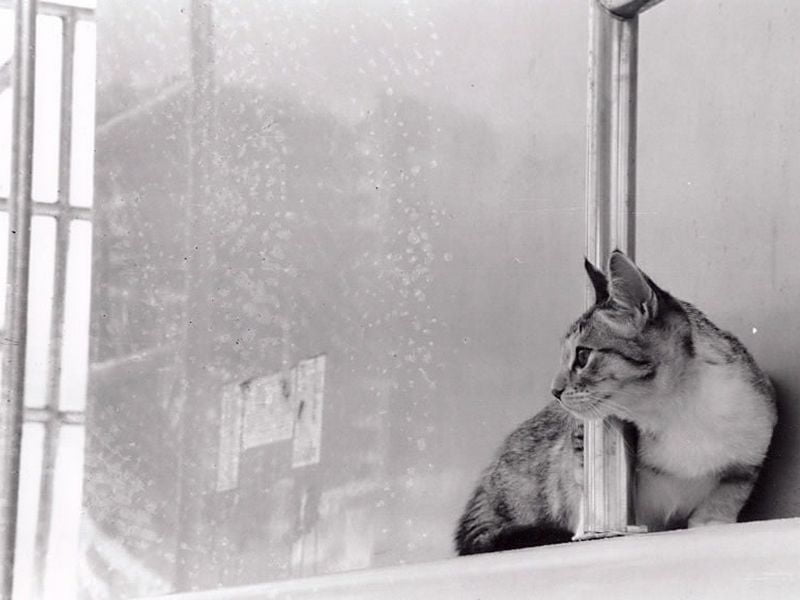
Yeni evine alışması zaman aldı. Mutfaktaki pencerenin önünde güvercinleri izlerken saatler geçirdi. Onlara saldırmaya çalıştı ama her seferinde camla karşılaştı. Bir süre sonra güvercinler bile bu engeli fark edip onu umursamaz oldu.
Kısa süre sonra İsviçre’ye taşındık. Zorlu bir süreçti ama yine bizimle geldi. Zürih’teki evine alıştı, hatta evin keyfini bizden çok çıkardı.
2010’un ilk günlerinde karnındaki şişliği fark ettik. Veterinere götürdüğümüzde her zamanki gibi kavga kıyamet yaşandı. Bayıltıldı, röntgeni çekildi, tahlilleri yapıldı ama teşhis konamadı. Kanser ihtimali konuşuldu, ama emin olunamadı. Bayıltma sonrası toparlanması zor oldu.
Aylar geçtikçe kitle büyüdü. Onu tekrar bayıltmanın riskli olduğunu biliyorduk. Türkiye’deki veterineri, “Ameliyat edilebilir ama sonucu belirsiz. Ben bir kedi sever olarak kalan zamanını evde huzurla geçirmesini isterdim” demişti. Biz de öyle yaptık. Normalde bu durumda üç ay ömür biçiliyordu. O ise bir buçuk yıl daha yaşadı.
Geçen haftaya kadar her şey olağandı. Ama bir sabah en sevdiği alışkanlığını, bizi uyandırma telaşını yapmadı. Yemek yemedi, ayaklarımızın arasına dolaşmadı. Artık yalnızca koltukta yatıyor.
“Son günlerini mi yaşıyor?” Bu soru birkaç gündür zihnimizi kemiriyor. Yarın için veterinere randevu aldık. Belki ameliyat derler, belki ayılamaz. Küçük de olsa bir şans varsa onu denemek istiyoruz.
Bıcır’la 11 yılı birlikte geçirdik. Gözünü bizimle açtı, kimseye yaklaşmayan vahşi ruhunu bize açtı. 11 yıl önce okyanusun kenarında avucumuza aldığımız o yavruyu yarın kucağımızda veterinere teslim edeceğiz.
Bıcır benim ilk evcil hayvanımdı. Onu eve getirmeden önce hayvan sevgim uzaktan seyirle sınırlıydı. Oysa hayatımıza girdiği günden beri her yolculuğumuzun ortağı, evimizin en büyük sesi, dostluğumuzun en sadık yüzü oldu. Şimdi gözlerimizin önünde eriyor. Elimizden fazla bir şey gelmiyor.
Belki bu onun son yolculuğu olacak. Belki de yarın yeniden gözlerini açacak. Ama biliyorum ki, hangi ihtimal gerçekleşirse gerçekleşsin, Bıcır bizim hikâyemizin en derin yerinde kalacak. Bir kediden çok, hayatımızın kalbine sinmiş bir hatıra olarak…
Az önce başını kaldırdı, gözlerini yarı aralık bana çevirdi. O gözlerde ne acı vardı ne de korku… Yalnızca dingin bir kabulleniş. Sanki bana, “Benim yolum buraya kadardı, seninle paylaştığım her an bana yetti,” diyordu. Sonra tekrar başını koydu, nefesi ağırlaştı.
Odada bir sessizlik hâkim şimdi. Dışarıdan kentin sesleri geliyor, ama burası başka bir dünya gibi. Bıcır’ın nefesiyle atan bir dünya. Belki de birazdan o nefes kesilecek. Ama eminim, ardında bıraktığı boşluk suskun olmayacak; anılarımızla, yolculuklarımızla, dostluğumuzla dolu kalacak.
Ve ben biliyorum: Okyanusun kenarında başlayan bu hikâye, bugün burada bitmeyecek. Çünkü Bıcır artık bizimle yalnızca bir kedi olarak değil, hayatımıza gömülmüş, hiç eksilmeyecek bir parça olarak yaşayacak.
Today the vet called: Bıcır is sick.
This story is about our cat Bıcır, who has been a part of our lives for 11 years. We found him as a tiny kitten on a beach in California, and since then we’ve lived together in different cities, even different countries. Over the years he became the strongest voice in our home, our closest companion. Now he’s fighting illness, and we find ourselves holding on to memories, to the journey we shared, and to the love that grew between us. These pages are about him—about what he means to us, and about the weight of an approaching farewell.
Actually, we had called, just to make another appointment… Bıcır isn’t eating, isn’t drinking, can’t use the litter box. Day by day he’s fading before our eyes. He spends his days asleep. Every now and then he wakes up, goes to the kitchen, lies down next to his favorite food bowl. He stares at it for a long time, but doesn’t touch a thing.
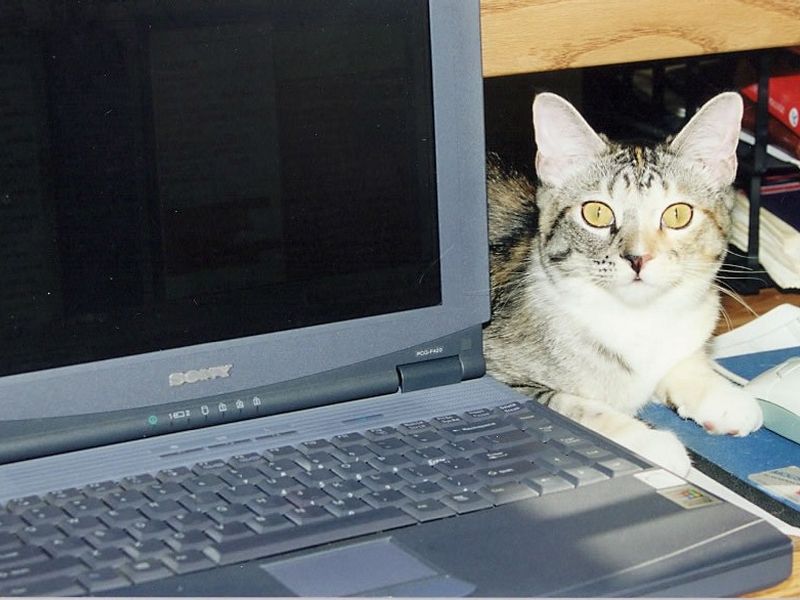
Anyone who knows Bıcır knows this: he’s big for his breed, and he loves to eat. The moment food touched his bowl, he’d devour it. With his size, his walk, his attitude, he thought of himself less as a cat and more like a miniature tiger. No one could get near him. Anyone who tried usually walked away scratched. That fierce cat, who once scared with a look, is now too weak to even eat. Over the last week he’s been losing all his old habits. We’ve spent 11 years with Bıcır, but it feels like we’re coming to the end of the road.
Today I gave him one of his favorite treats. Normally, he would lunge to grab it, sometimes mistaking my fingers for part of the treat. This time, he just sniffed it and slowly walked back to his couch. Now he’s sleeping in front of me while I write these lines. I keep glancing at his photos—photos that carry me back to a California morning 11 years ago.
We first saw him when he had barely opened his eyes. At Long Beach, near the marina, between the rocks by the ocean, we heard him crying. When we bent down, there he was: a tiny kitten, alone. We didn’t know how he got there, but one wrong move and he could have slipped into the sea. No mother, no siblings. That sunny morning, when we scooped him up, we didn’t know a love would begin that would last more than a decade. Back home, his crying stopped. We gave him water, some milk—he chose the milk. That same day we bought his first food, bowls, toys. Even while exploring the room, his eyes kept searching for us. From that moment on, we never parted.
He was always restless, always hunting. At our first vet visit his wild side showed. At just six months old, it took two staff members to hold him down so the vet could give him a shot. That never changed. Every visit became a struggle; the staff had to sedate him before treatment. Surrounded by pit bulls, huskies, even snakes, our “sweet” cat was somehow always the most dangerous.
When the vet asked his name and we said “Bıcır,” he laughed. It sounded cute, but we learned then that his ancestors came from the desert cats, among the last to be domesticated.
When he was three months old, we took him on his first trip—from the Mojave Desert through Arizona, all the way to the Grand Canyon. He was calm in the car, curious. None of us knew then that years later we’d set off together on even longer journeys.
We lived in Long Beach for eight years, in three different homes. He never warmed to other cats. He avoided people, never letting anyone touch him except us. He disliked the outdoors. Even when we took him back to the beach or the parks, he clung to us. So we kept him inside. And he loved it—claiming every corner of the house as his own. One favorite spot was on top of the stove; his way of protesting home-cooked meals, I always joked. He was fascinated by running water, too. He bathed monthly, hated the towel, and instead dried himself for hours under the California sun.
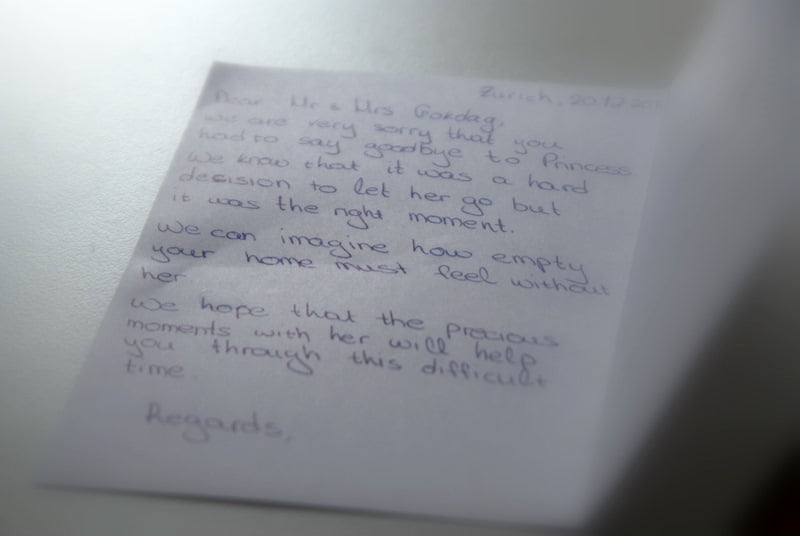
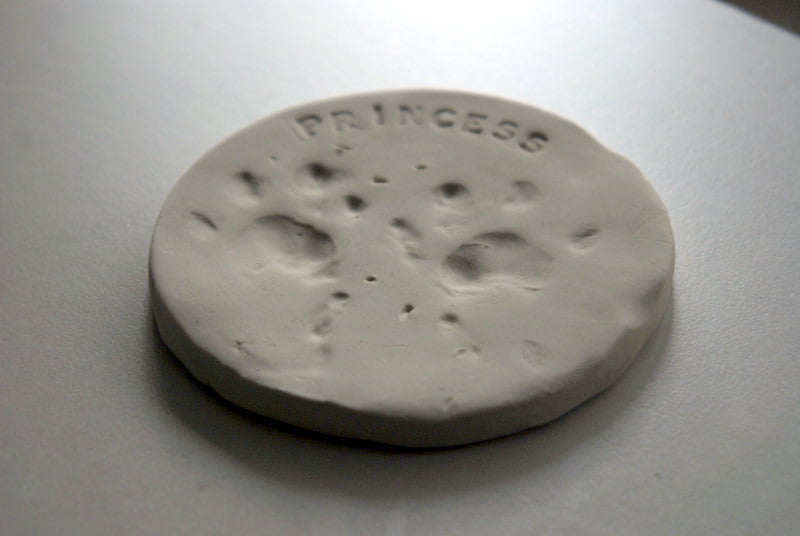
His annual checkups were nightmares. Officially, his name was “Princess,” which always made the staff laugh. The irony of a cat named Princess turning the vet’s office into chaos wasn’t lost on anyone.
In 2008, we decided to return to Turkey. What we worried about most was him—could he survive a 20-hour trip? The vet reassured us: Bıcır was strong enough. Leaving him behind was never an option. We couldn’t imagine him with anyone else, and he wouldn’t survive the streets. So we gathered his papers, his permits, and headed to LAX. At security we had to take him out of the carrier and carry him through the gate. Amid the noise and chaos, it was a battle. We nearly forgot our passports in the process. The guards were stunned by his fierce glare. But in the end, we made it. Bıcır was in Istanbul.
He struggled at first but eventually claimed every corner of his new home. His favorite spot was by the kitchen window, where he watched pigeons. He’d leap at them, only to be stopped by the glass. Eventually, even the pigeons figured it out and ignored him.
Soon after, we prepared to move again—this time to Switzerland. He noticed the boxes, grew uneasy. The paperwork took months, but when all was ready, he came with us once again. Zürich became his last home. He was nine then, slower, calmer, but still the ruler of the house.
In early 2010, after a long trip, we noticed a swelling in his belly. At the vet, he fought as fiercely as ever. They sedated him, did scans and tests, but couldn’t diagnose. We feared cancer, but even Switzerland’s top specialists had no answers. His recovery from sedation was slow and difficult.
Months passed, the swelling grew. Another sedation could be fatal. His vet in Turkey warned us, “He might not wake up next time. Let him spend the rest of his days peacefully at home.” Normally, cats with this condition had only a few months. But Bıcır, stubborn as ever, lived another year and a half.
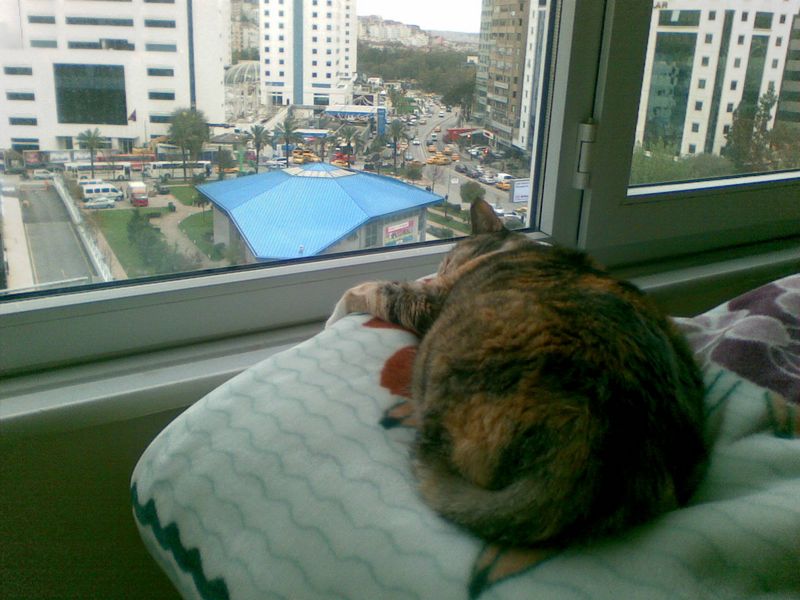
Until last week, life seemed normal. Then we noticed the silence: no morning cries, no attempts to wake us. He wouldn’t eat, wouldn’t follow us to the kitchen. He only lay on his couch, watching.
“Is he living his final days?” That question has haunted us. We booked another appointment. Tomorrow we’ll carry him to the vet once more. He may not wake from sedation. If they recommend surgery, he may not survive. His body is frail, his strength nearly gone. But as long as there’s a chance, however small, we’ll try.
We’ve shared 11 years with Bıcır. He opened his eyes with us, trusted no one but us. Tomorrow, the tiny kitten we once held in our hands by the ocean will once again be in our arms, this time as we hand him over to the vet.
Bıcır was my first pet. Before him, I never imagined living with an animal. But he changed everything. He became part of our journeys, our home, our lives. Now he’s slipping away before our eyes, and there’s little we can do.
Maybe this will be his last journey. Or maybe tomorrow he’ll open his eyes again. Either way, I know this: Bıcır will stay with us, not just as a cat, but as a memory woven into the heart of our lives.
A few moments ago he lifted his head, half-open eyes meeting mine. There was no fear, no pain—only a quiet acceptance. As if to say, “My road ends here, but every moment with you was enough.” Then he laid his head down again, his breath heavy.
The room is silent now. Outside, the city moves, but here it feels like another world. A world measured by Bıcır’s breathing. Maybe soon that sound will stop. But I know the emptiness he leaves won’t be silent—it will echo with our memories, our travels, our bond.
And I also know this: the story that began by the ocean will not end here. Because Bıcır will live on—not just as a cat, but as a part of us, forever.